
Cold weather can put extra strain on a property. Taking a few simple steps can help prevent avoidable damage and make it easier to spot problems early.
Here’s a practical guide to caring for your rented home through the winter months.
1. Check the heating before the cold weather arrives
Test the heating and hot water early in the season. If anything is not working properly, report it to your landlord or property manager as soon as possible. A problem is easier to address before the temperature drops.
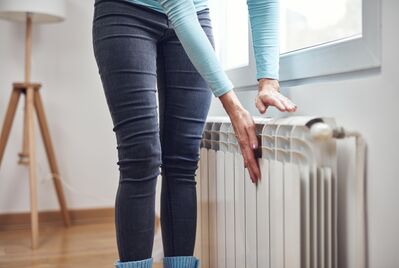
If a radiator is cold or making unusual noises, ask for advice before attempting repairs. Your landlord or property manager can let you know whether it needs to be checked.
2. Take care in very cold weather
During a cold spell, follow any instructions from your landlord or property manager about keeping the property warm, particularly if you plan to be away. If you are unsure what to do, ask them before you leave.
Know where the stopcock is, if you can locate it safely, and contact your landlord or property manager if you notice a leak or suspect a pipe has frozen. Report water damage promptly; don’t attempt repairs yourself.
3. Reduce condensation and report damp
Everyday activities such as cooking, showering and drying clothes indoors create moisture. Use extractor fans where available, keep trickle vents open, and open windows briefly when practical. Wipe condensation from windows and nearby surfaces.
If you see persistent damp, mould, a leak or water staining, tell your landlord or estate agent promptly. Include where you noticed it and when it started. Taking a few photos can help show how the problem changes over time. Don’t paint over mould or cover up damp patches, as the cause may need attention.
4. Keep air vents and heating clear
Avoid blocking air vents, extractor fans or other ventilation. Keep curtains and furniture clear of heaters so warm air can circulate, and don’t dry clothes directly on radiators.
These simple habits can help your home ventilate and heat as intended, while reducing the chance of moisture or heat affecting nearby surfaces.
5. Look after windows, doors and soft furnishings
Check for draughts around windows and doors. If you want to use removable draught excluders or window film, make sure they won’t damage paintwork or fittings. Ask your landlord or property manager before making alterations or attaching anything that could leave marks.
Thick curtains and rugs can make rooms feel warmer, but take care not to cover heaters or ventilation points.
6. Report outdoor maintenance concerns
If you notice overflowing gutters, blocked drains, loose roof materials or branches close to the property, let your landlord or property manager know. These issues may need attention to help prevent water ingress or damage during bad weather.
Avoid climbing ladders or carrying out repairs yourself. Your landlord or property manager can arrange any necessary work.
7. Be ready for a power cut
Keep a torch somewhere easy to find. If your heating or entry system relies on electricity, ask your landlord or agent what to do in the event of a power cut, especially during freezing weather.
If a power cut affects the heating and you are concerned about the property, contact your landlord or property manager for advice.
8. Use the heating controls thoughtfully
Learn how your thermostat and timer work, and use them to heat your home when you need it. If you are unsure how to operate the controls, ask for guidance rather than changing settings you do not understand.
When you are away, check your tenancy information or ask your landlord or property manager whether there are any steps you should take to help protect the property.
9. Report repairs promptly
Tell your landlord or estate agent as soon as you notice a repair issue, such as a leak, a faulty boiler, a broken window or a problem with the heating. Please report any maintenance issues via FixFlo, our online reporting system.
Prompt reporting gives them the chance to investigate and arrange repairs before a small issue causes further damage.
A little care and early communication can help protect your rented home throughout winter. For more practical advice, visit our tenant maintenance guides.